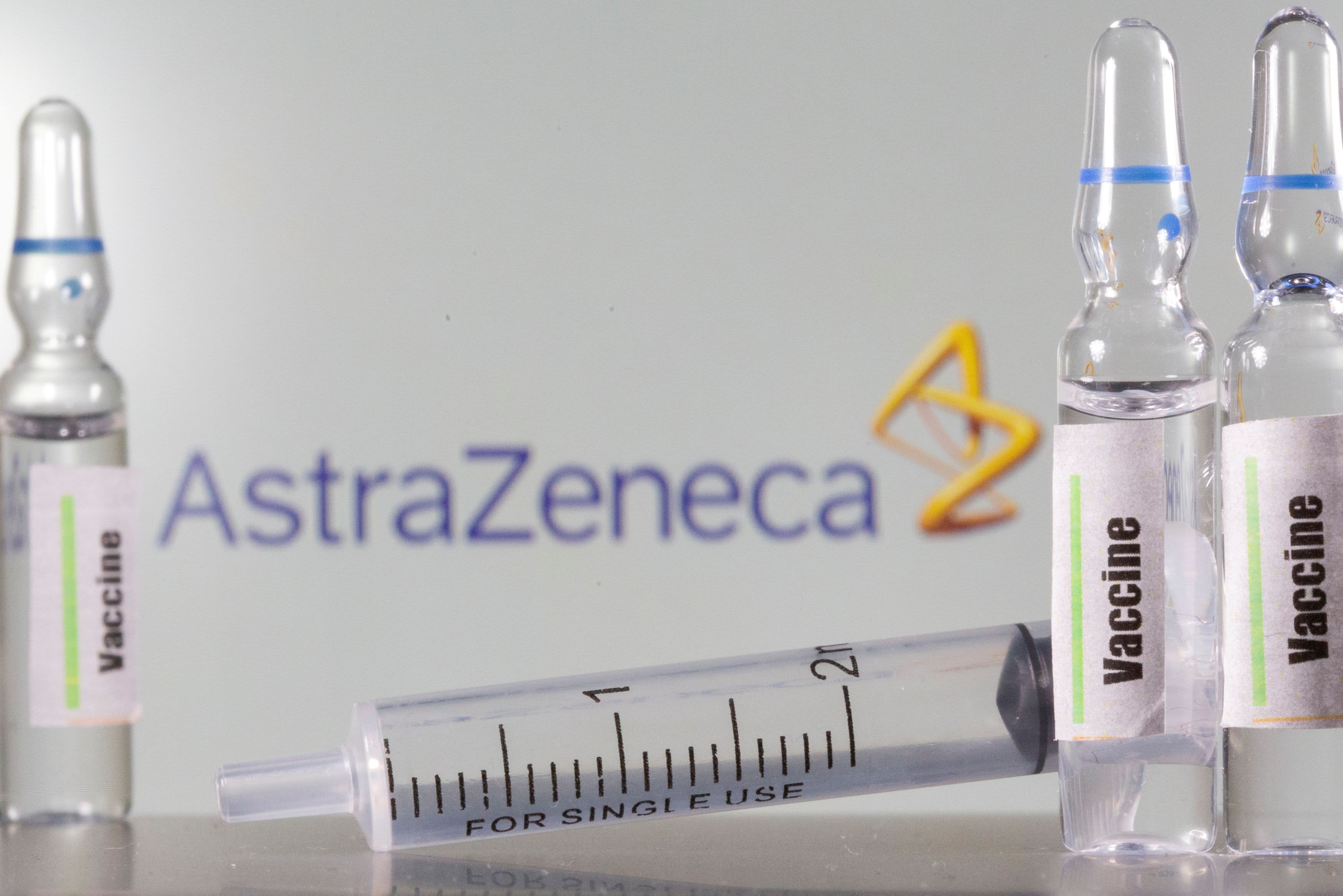
A test tube identified vaccine is seen in front of AstraZeneca logo in this illustration taken, September 9, 2020.
Dado Ruvic|Reuters
More information will be needed from AstraZeneca‘s coronavirus vaccine trials to determine the drug’s security and effectiveness following issues from professionals in the U.S., scientists from the University of Oxford and the World Health Organization said on Friday.
” There’s constantly a problem in announcing scientific results by news release, and that is that you don’t have all the information out there and people aren’t able to really look and think of the data appropriately,” Sir John Bell, the Regius professor of medicine at Oxford University, told CNBC’s ” Closing Bell” on Friday.
Shares of AstraZeneca dipped today after the company announced interim results from its coronavirus vaccine trials on Monday. The British pharmaceutical giant stated its vaccine, which it’s developing alongside Oxford, was 70?fective after it combined results from 2 various dosing regimes.
One smaller group of individuals, all under the age of 55, gotten an accidentally lower dosage of the vaccine followed by a complete dosage, and a larger group of people received two complete doses of the vaccine. The vaccine was discovered to be 90?ficient in the group that received the smaller sized dose while the bigger group revealed only 62?ficiency.
Some U.S. experts, consisting of Moncef Slaoui, chief of the White Home’s Operation Lightning speed, said they were concerned about the varying ages between the 2 groups. In the middle of those issues, Pascal Soriot, CEO of AstraZeneca, told Bloomberg on Thursday that the business will likely start a brand-new study to analyze the lower dosage program.
” The complete information will be published in the medical journal so people can analyze it. Taking snippets of information is not a handy method to make an analysis of what’s actually going on,” Bell told CNBC on Friday.
Other British government ministers and specialists have also backed AstraZeneca’s vaccine, noting that drug regulators who have more information on the vaccine’s late-stage scientific trials will ultimately have the last word. Britain asked its medicine regulator on Friday to examine the vaccine for a short-term supply, which implies the vaccine could be dispersed in the nation before completion of the year.
That procedure might take longer in the U.S., nevertheless, amidst recent issues. Bell told CNBC that he forecasts the U.K. might be “significantly immunized” by spring of next year.
Kate O’Brien, director of immunization, vaccines and biologicals at the WHO, concurred with Bell during the organization’s press instruction earlier on Friday, saying that there’s just a “limited quantity that can be said in a press release” and that more information, consisting of how well the vaccine builds an immune response, is needed.
” It’s hard to weigh in on this,” O’Brien stated from the WHO’s Geneva head office. “From what we understand about journalism release, there is certainly something interesting that has been observed, however there are many reasons that might underlie the differences that were observed.”
Dr. Soumya Swaminathan, WHO’s primary scientist, concurred and stated AstraZeneca’s trial figures “are still too little to really concern any definitive conclusions.” Less than 3,000 trial participants remained in the group that was provided the smaller dosage of the company’s vaccine compared to more than 8,000 in the bigger group.
” If we are to explore this hypothesis of having maybe a better efficacy with the lower dosage, then it would require a trial,” Swaminathan said.
— CNBC’s Matt Clinch and Natasha Turak added to this report.
Comments
Post a Comment